

Building the Worlds That Kill Us: Disease, Death, and Inequality in American History
Author: David Rosner Category: History Publisher: Columbia University Press Published: 5 November 2024 Pages: 408 Share: More DetailsAcross American history, the question of whose lives are long and healthy and whose lives are short and sick has always been shaped by the social and economic order. From the dispossession of Indigenous people and the horrors of slavery to infectious diseases spreading in overcrowded tenements and the vast environmental contamination caused by industrialization, and through climate change and pandemics in the twenty-first century, those in power have left others behind.
Through the lens of death and disease, Building the Worlds That Kill Us provides a new way of understanding the history of the United States from the colonial era to the present. David Rosner and Gerald Markowitz demonstrate that the changing rates and kinds of illnesses reflect social, political, and economic structures and inequalities of race, class, and gender. These deep inequities determine the disparate health experiences of rich and poor, Black and white, men and women, immigrant and native-born, boss and worker, Indigenous and settler. This book underscores that powerful people and institutions have always seen some lives as more valuable than others, and it emphasizes how those who have been most affected by the disparities in rates of disease and death have challenged and changed these systems. Ultimately, this history shows that unequal outcomes are a choice―and we can instead collectively make decisions that foster life and health.
Other Books From - History
 A Rage to Conquer: Twelve Battles That Changed the Course of Western History
 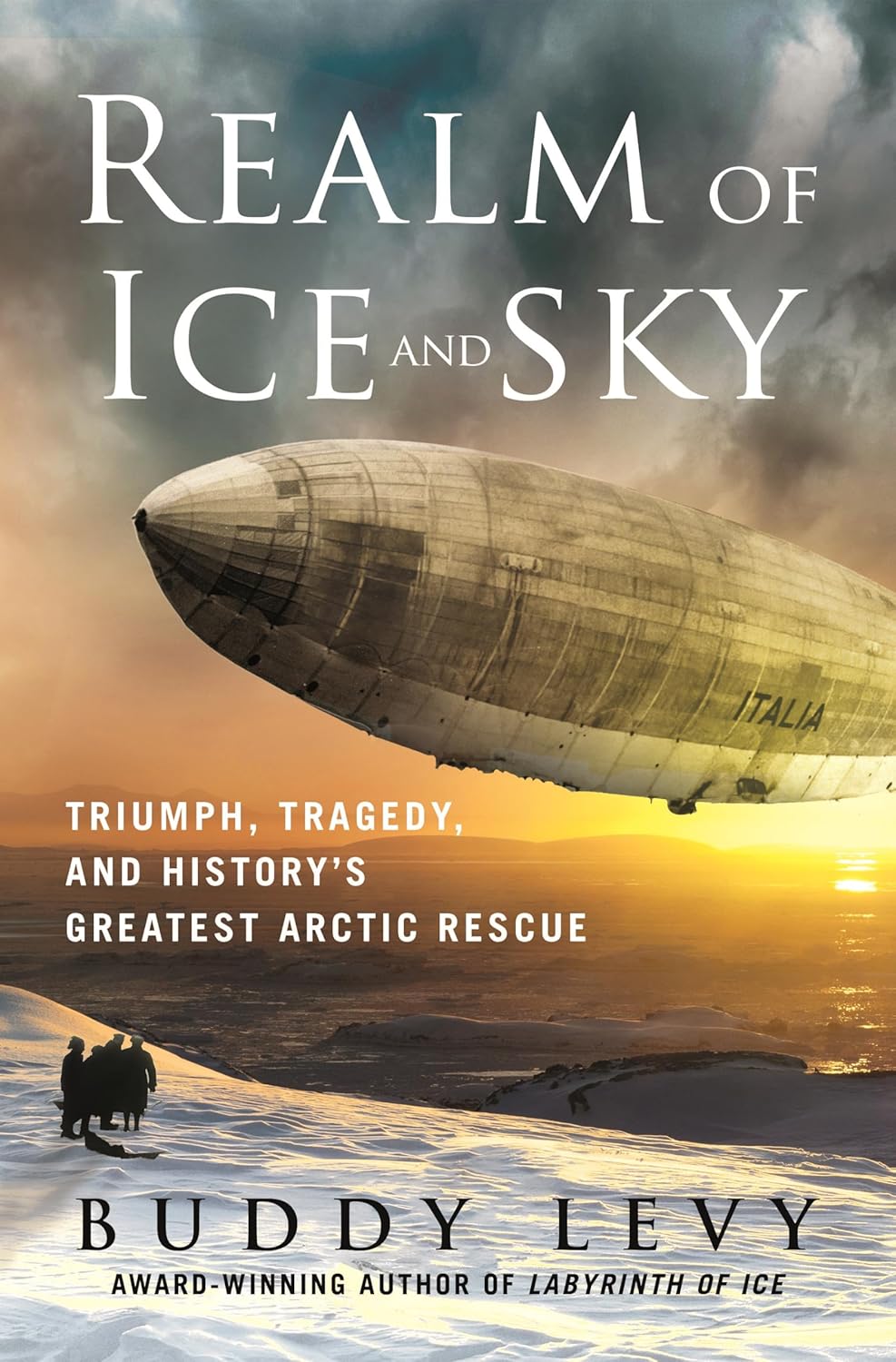 Realm of Ice and Sky: Triumph, Tragedy, and History’s Greatest Arctic Rescue
Biography, History, Memoir, Nonfiction, Science
Realm of Ice and Sky: Triumph, Tragedy, and History’s Greatest Arctic Rescue
Biography, History, Memoir, Nonfiction, Science
 The Killing Fields of East New York: The First Subprime Mortgage Scandal, a White-Collar Crime Spree, and the Collapse of an American Neighborhood
History, Nonfiction, Politics, True Crime
The Killing Fields of East New York: The First Subprime Mortgage Scandal, a White-Collar Crime Spree, and the Collapse of an American Neighborhood
History, Nonfiction, Politics, True Crime
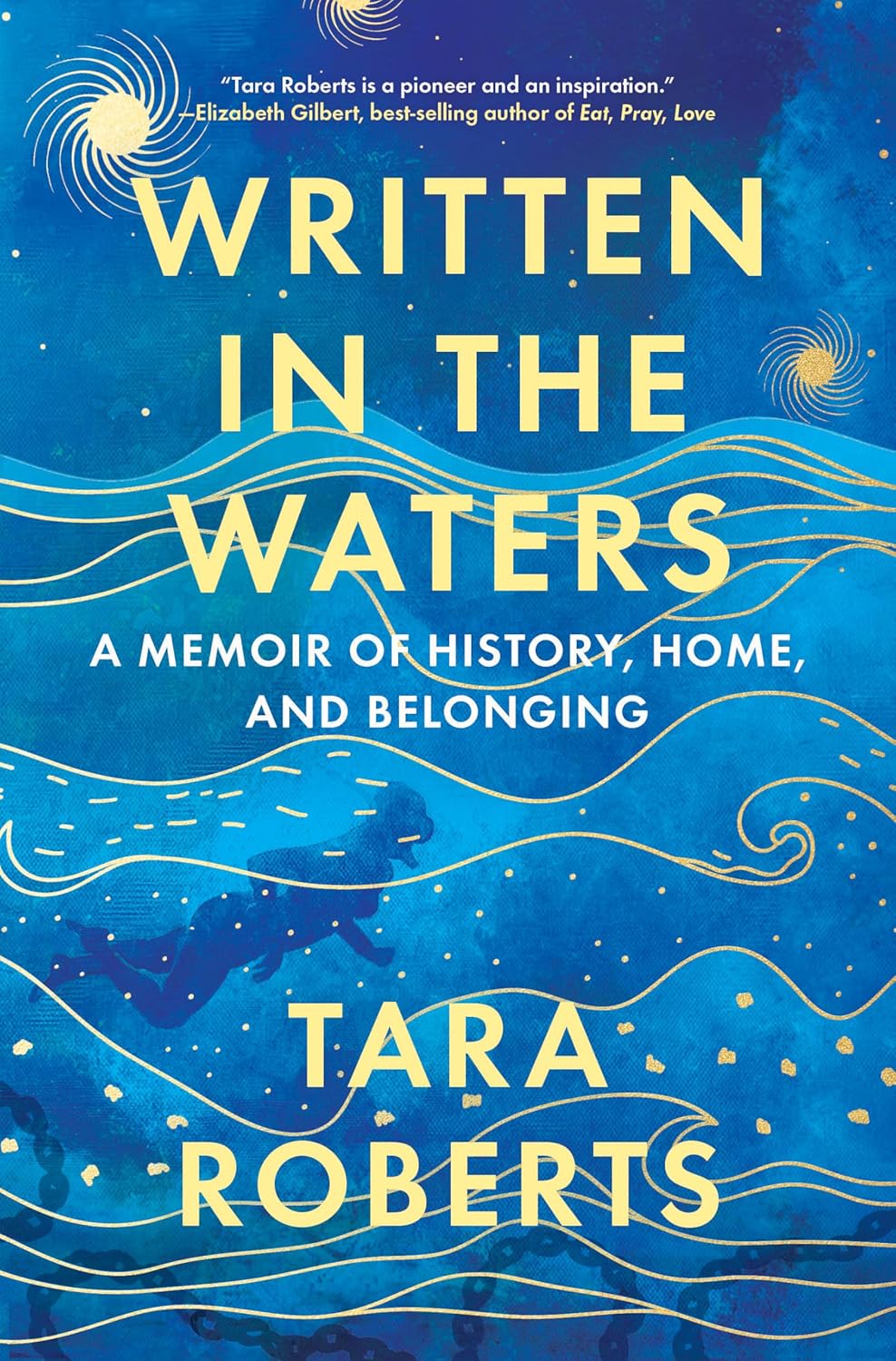 Written in the Waters: A Memoir of History, Home, and Belonging
Biography, History, Memoir, Nonfiction
Written in the Waters: A Memoir of History, Home, and Belonging
Biography, History, Memoir, Nonfiction
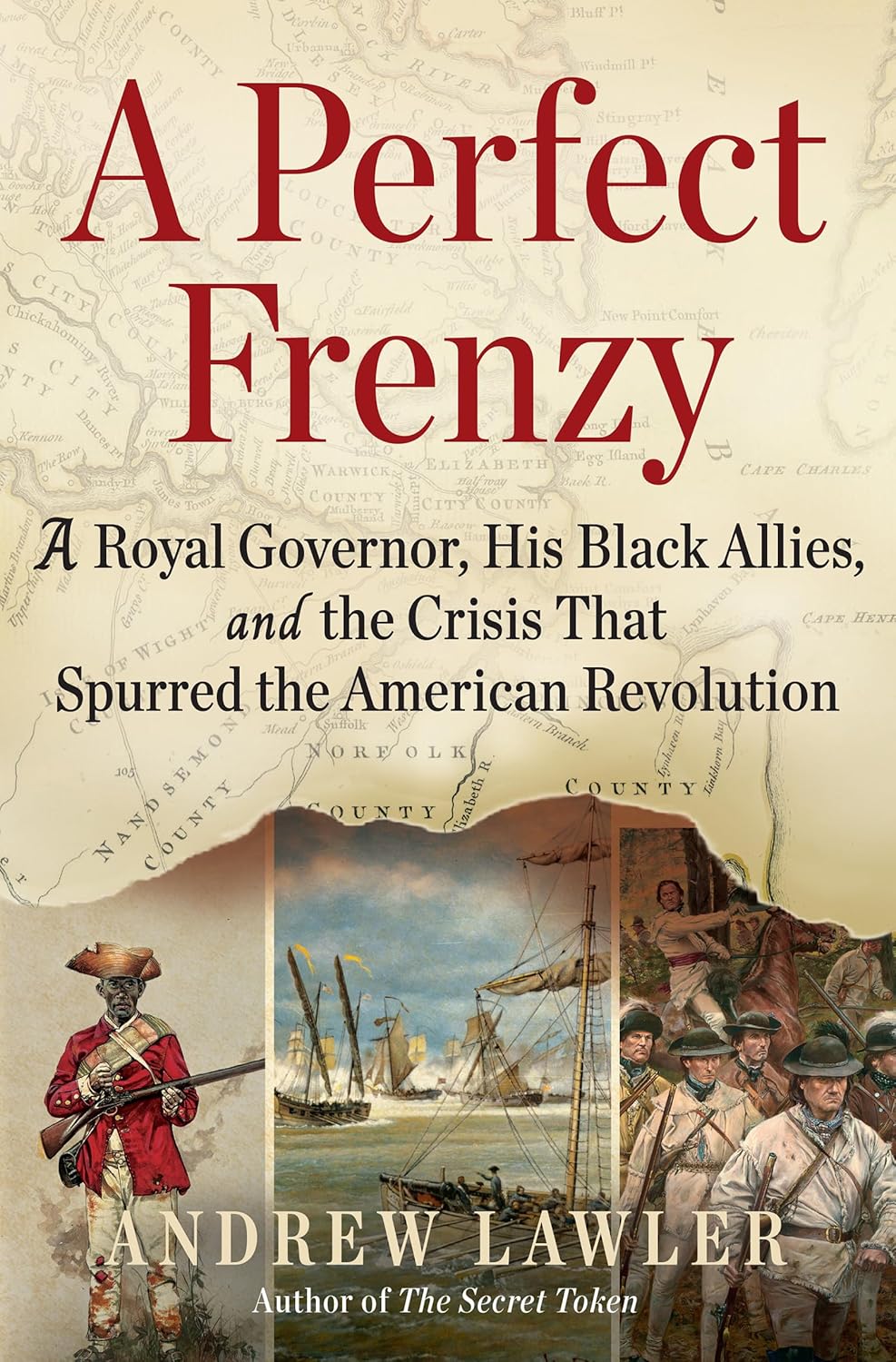 A Perfect Frenzy: A Royal Governor, His Black Allies, and the Crisis That Spurred the American Revolution
History, Nonfiction
A Perfect Frenzy: A Royal Governor, His Black Allies, and the Crisis That Spurred the American Revolution
History, Nonfiction
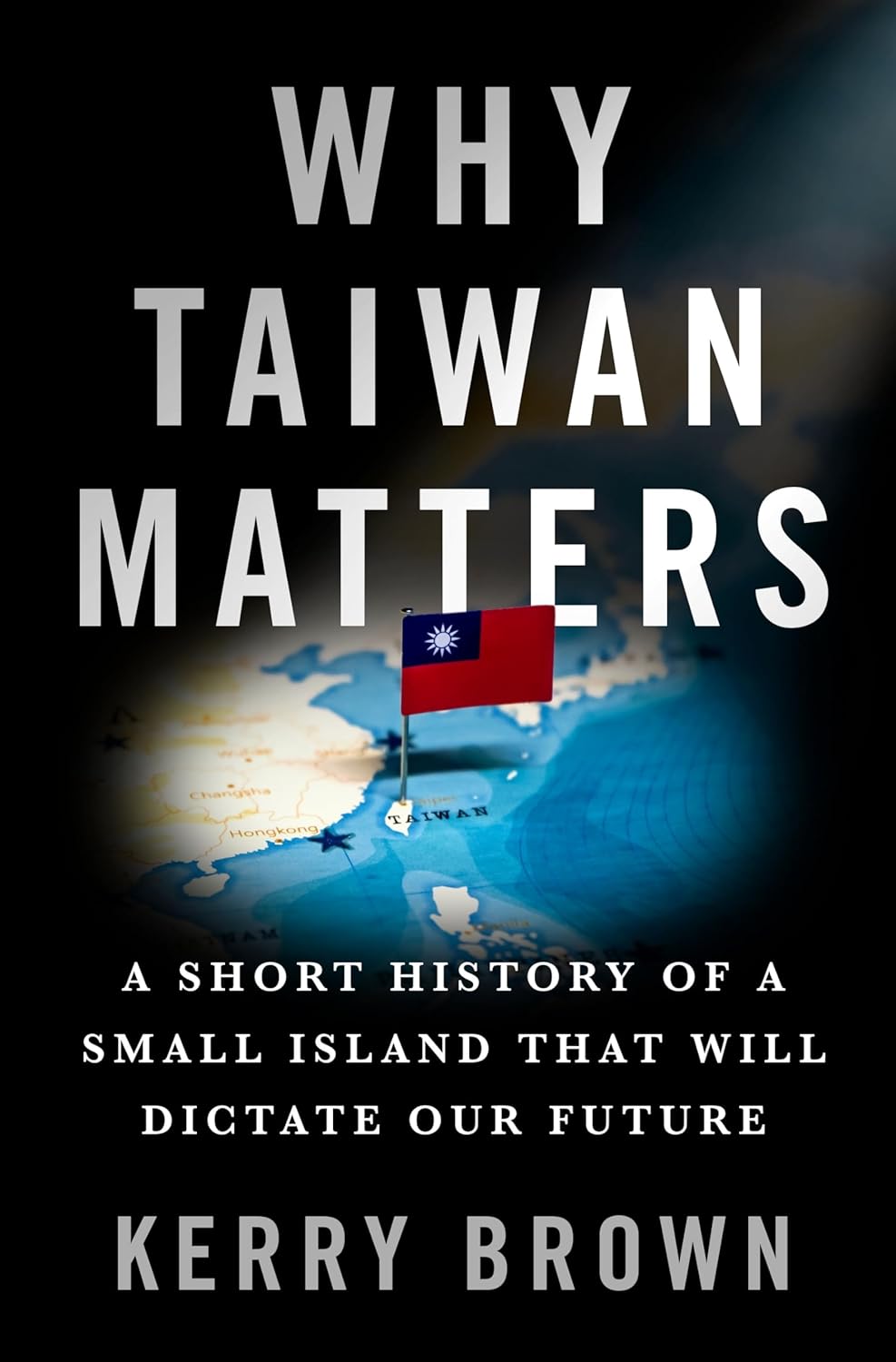 Why Taiwan Matters: A Short History of a Small Island That Will Dictate Our Future
  The Good Mother Myth
 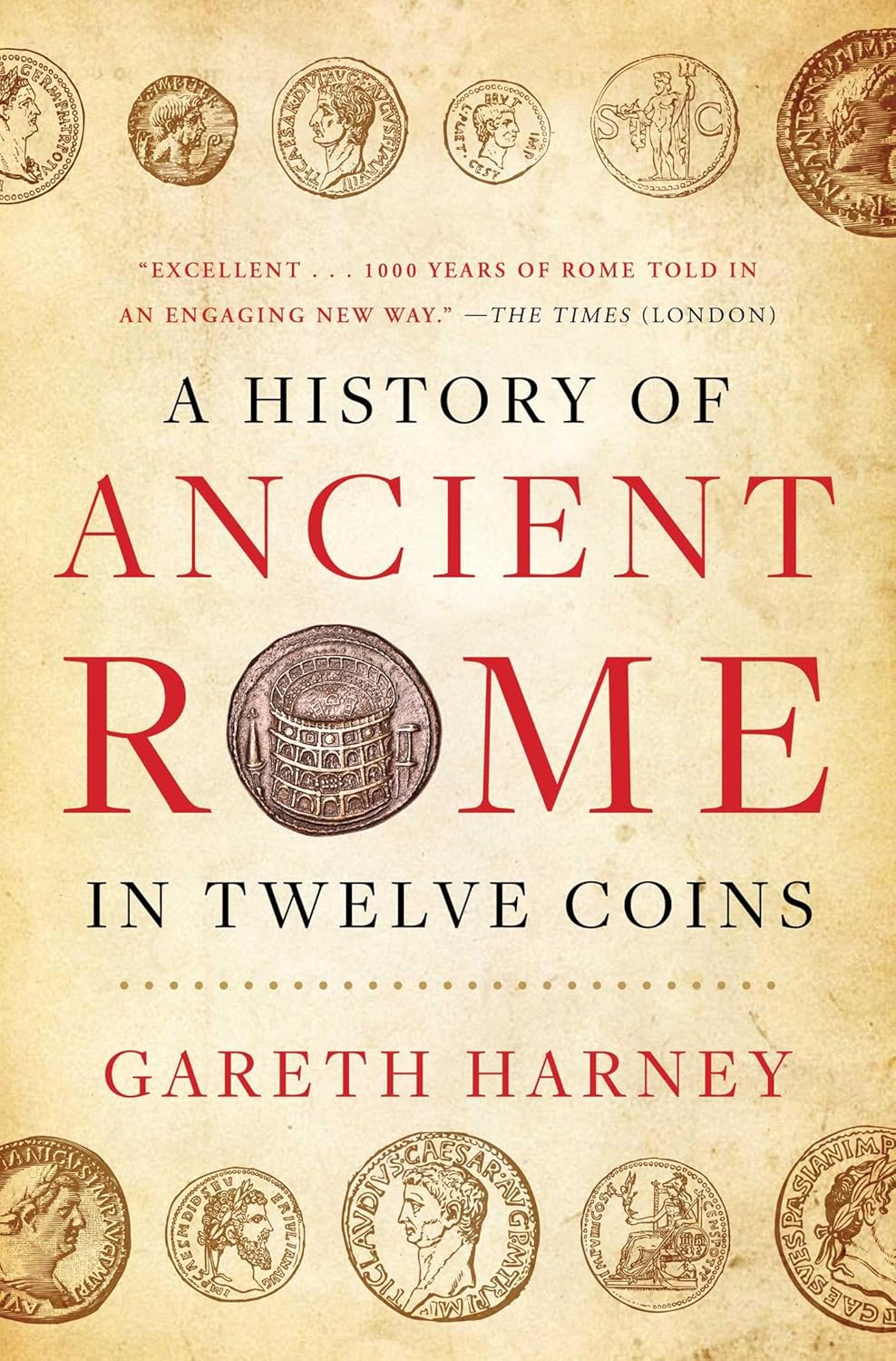 A History of Ancient Rome in Twelve Coins
 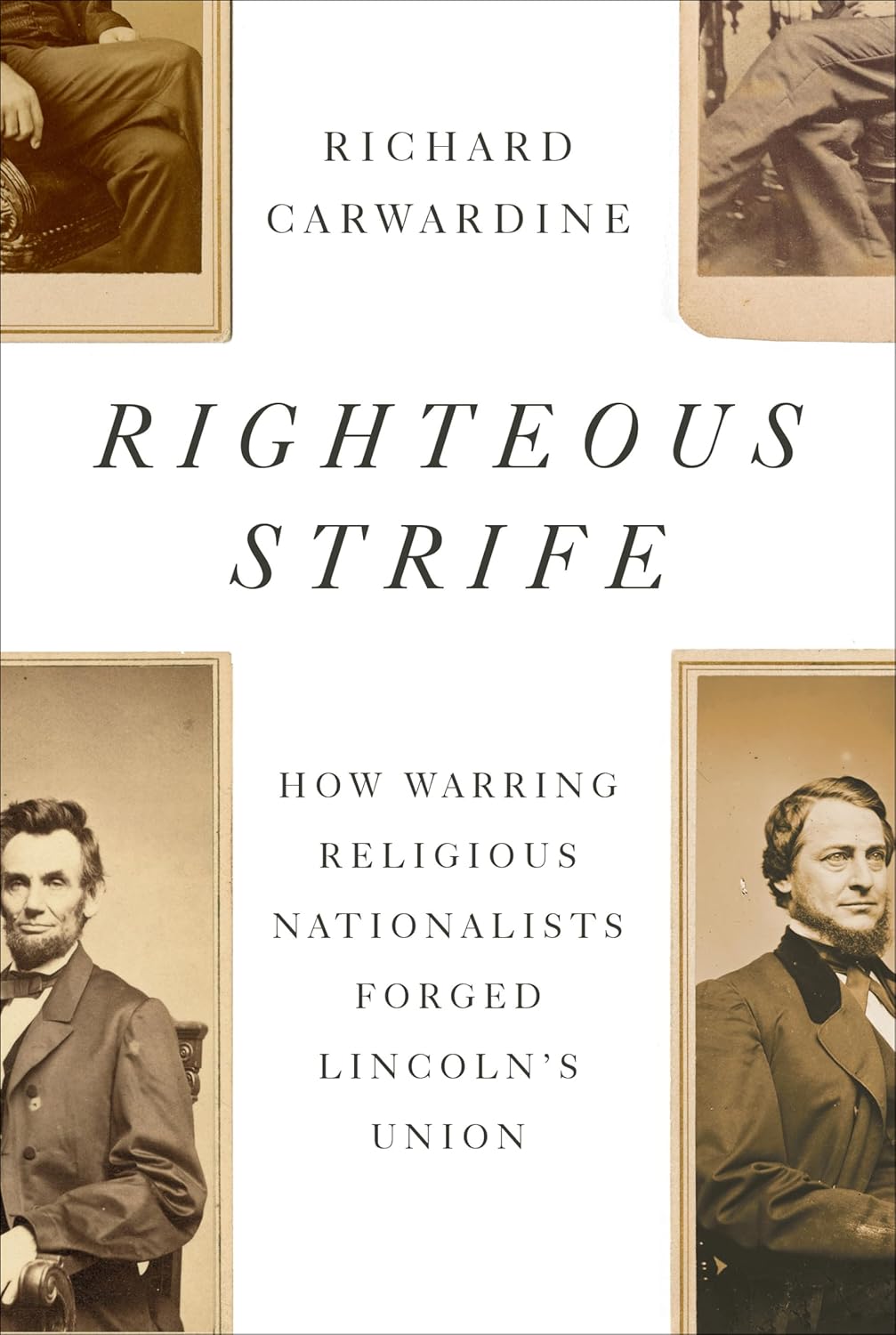 Righteous Strife: How Warring Religious Nationalists Forged Lincoln’s Union
  Blood and the Badge: The Mafia, Two Killer Cops, and a Scandal That Shocked the Nation